9 Best Polkadot dApps in 2026
Polkadot dApps are apps built on the Polkadot blockchain that let people do things like trade crypto, earn staking rewards, borrow assets, protect their privacy, and use Web3 services without relying on a central company. The topic focuses on which Polkadot apps offer the most useful features, adoption, and value for users.
Best dApps on Polkadot are becoming increasingly important as the Polkadot ecosystem expands beyond simple token transfers into DeFi, liquid staking, decentralized identity, privacy, and real-world asset tokenization. The challenge is knowing which applications are actually worth using. With dozens of projects competing for attention, it’s easy to get overwhelmed by technical jargon, marketing claims, and unfamiliar protocols.
You’re not alone if you’re unsure where to start. Whether you’re looking to earn yield, stake DOT, use Bitcoin in DeFi, or explore Web3 applications, choosing the wrong platform can mean poor liquidity, limited adoption, or unnecessary risk.
That’s why understanding the leading Polkadot dApps matters. Polkadot now supports hundreds of ecosystem projects across multiple parachains, each designed for specific use cases. Instead of testing random applications yourself, it makes sense to start with the platforms that have demonstrated real utility and strong community adoption.
This guide breaks down the best dApps on Polkadot in 2026, explaining what each one does, who it’s best suited for, and why it stands out in one of crypto’s most innovative blockchain ecosystems.
What Are Polkadot dApps?
Polkadot dApps are decentralized applications built on the Polkadot network. They let users trade, stake, borrow, manage digital identities, and use Web3 services without relying on a central company. What makes Polkadot dApps different is that they can work across multiple blockchains while staying fast and secure.
Polkadot uses a system of connected blockchains called parachains. Instead of placing every app on one blockchain, the network spreads them across different parachains that are built for specific tasks.
For example, one parachain may focus on DeFi, while another is built for gaming, digital identity, or other Web3 applications. This helps Polkadot ecosystem apps run more efficiently and avoid network congestion.
All parachains connect to the Polkadot Relay Chain, which provides security for the network. They can also share data and move assets between each other through cross-chain interoperability.
This setup gives developers more flexibility when building decentralized apps on Polkadot. It also helps users access faster, cheaper, and more connected Web3 experiences.
Why Is Polkadot Ideal for dApps?
Polkadot is ideal for dApps because it is built to handle many applications at the same time. It uses a network of specialized parachains that can process transactions independently while still sharing the security of the main network.
One of Polkadot’s biggest strengths is cross-chain interoperability, meaning different parachains can exchange data and assets, making it easier for Polkadot dApps to work together and create a more connected Web3 ecosystem.
The network’s shared security model is another advantage. Instead of building their own security systems, parachain projects can rely on the Polkadot Relay Chain, saving time and resources.
This design supports a wide range of Polkadot ecosystem apps, including DeFi platforms, liquid staking protocols, privacy tools, digital identity solutions, NFT projects, and blockchain infrastructure. Polkadot also gives developers access to tools like Substrate, making it easier to build and launch new Web3 applications.
How Did We Select the Best Polkadot dApps?
The best Polkadot dApps combine strong adoption, real utility, and long-term ecosystem value. To create this list, we focused on projects that users actively rely on rather than those driven by short-term hype.
We evaluated each project based on Total Value Locked (TVL), user adoption, security audits, real-world utility, developer activity, and overall importance to the Polkadot ecosystem. Higher TVL and active usage often signal trust, while ongoing development helps indicate long-term sustainability.
What Are the Best dApps on Polkadot in 2026?
The best dApps on Polkadot in 2026 include Hydration, Acala, Moonbeam, Astar Network, Bifrost, Centrifuge, Interlay, KILT Protocol, Phala Network, and Manta Network. These top Polkadot dApps cover everything from DeFi and liquid staking to digital identity, privacy, and real-world asset tokenization, showing just how much the Polkadot ecosystem has grown.
1. Hydration
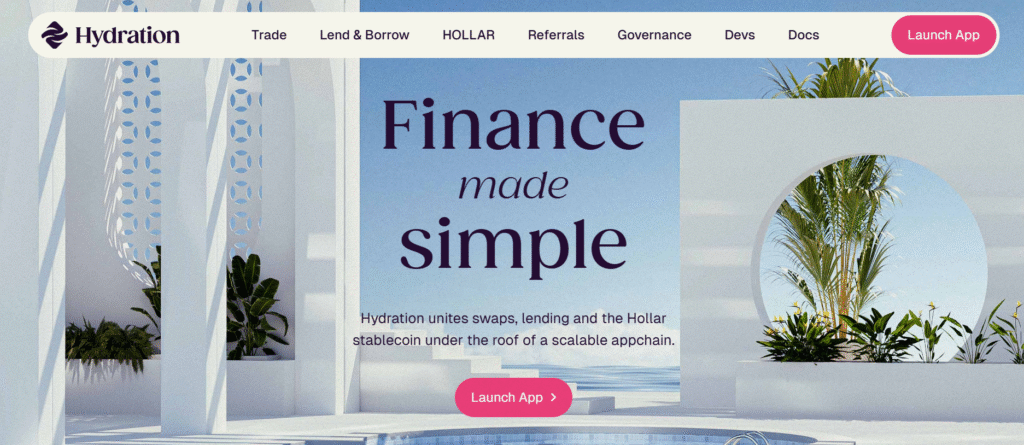
If you’ve ever traded on a DEX with low liquidity, you’ve probably dealt with poor prices and high slippage. Hydration is built to solve that problem. Instead of spreading liquidity across dozens of trading pairs, it uses an Omnipool model that brings liquidity into a shared pool. The result is deeper liquidity, more efficient trading, and a smoother experience for users, making Hydration one of the most important Polkadot DeFi apps.
2. Acala
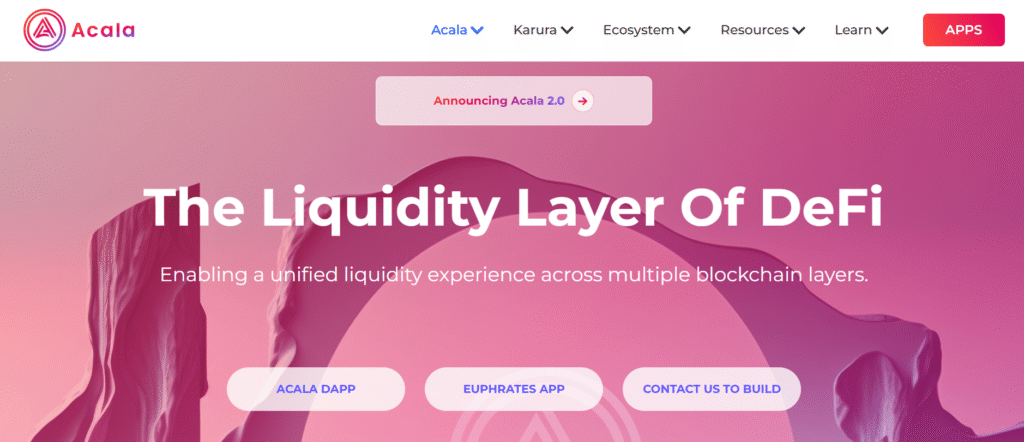
Acala is often seen as one of the main financial hubs in the Polkadot ecosystem. Instead of moving between multiple platforms, users can access DeFi tools, swap assets, and stake DOT in one place. Through LDOT, Acala’s liquid staking token, users can continue earning staking rewards while still putting their capital to work across other DeFi opportunities.
3. Moonbeam
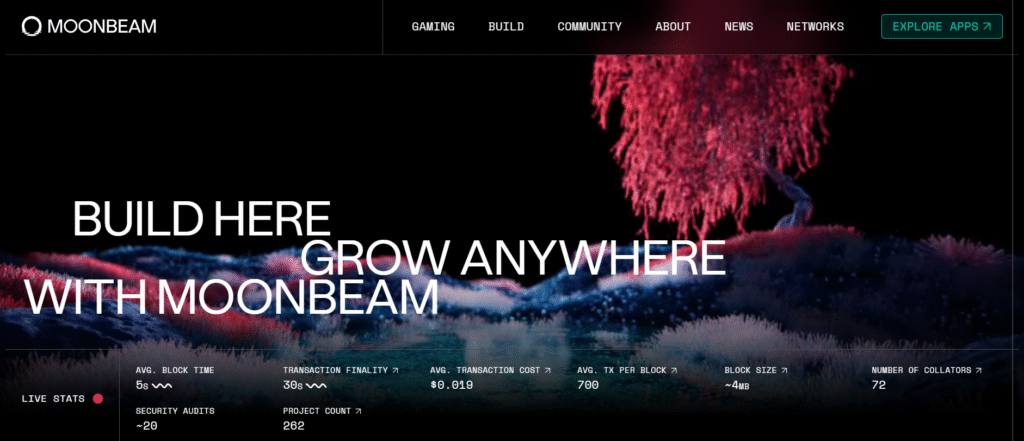
For Ethereum developers, building on a new blockchain usually means learning new tools and workflows. Moonbeam removes much of that friction. It supports familiar tools like Solidity and MetaMask, making it easier to bring existing applications into the Polkadot ecosystem. That’s one reason Moonbeam remains one of the most widely used Polkadot parachain projects.
4. Astar Network
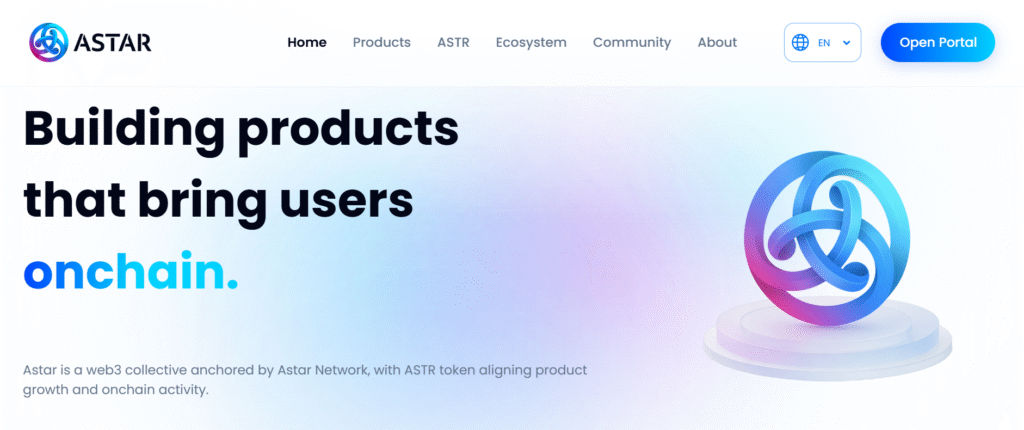
Astar Network gives developers more flexibility than many smart contract platforms. It supports both EVM and WASM smart contracts, allowing teams to choose the tools that best fit their projects. Astar is also known for its dApp staking model, which lets users directly support applications they believe in while helping projects grow their communities.
5. Bifrost
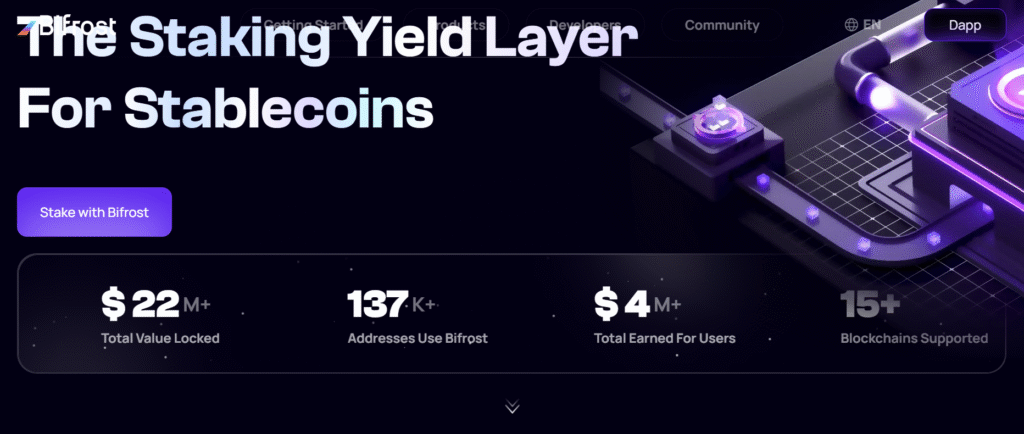
One of the biggest drawbacks of staking is that your assets are usually locked up. Bifrost addresses that issue through liquid staking. Users receive liquid staking tokens such as vDOT, which can be used across other Polkadot ecosystem apps while the original assets continue earning staking rewards. This gives users more flexibility without giving up yield.
6. Centrifuge
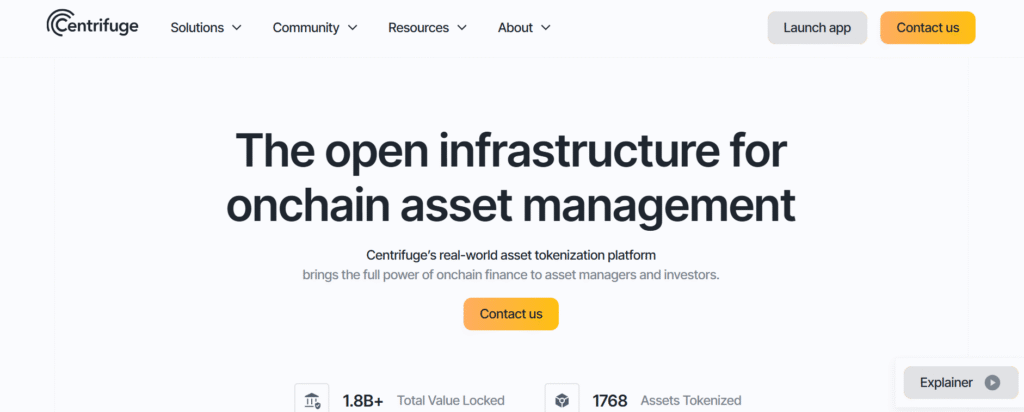
While many DeFi platforms focus entirely on crypto assets, Centrifuge takes a different approach. It helps bring real-world assets on-chain by allowing businesses to tokenize assets such as invoices and credit products. This creates new sources of liquidity and helps connect traditional finance with decentralized finance.
7. Interlay
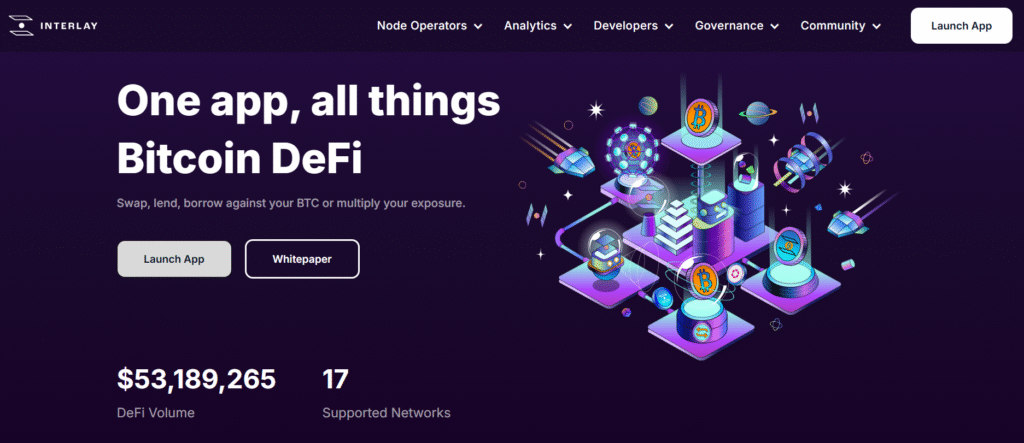
A large amount of Bitcoin sits idle in wallets and isn’t being used productively. Interlay helps change that through iBTC, a Bitcoin-backed asset designed for use within the Polkadot ecosystem. This allows Bitcoin holders to access lending, borrowing, and other DeFi services without selling their BTC.
8. Phala Network
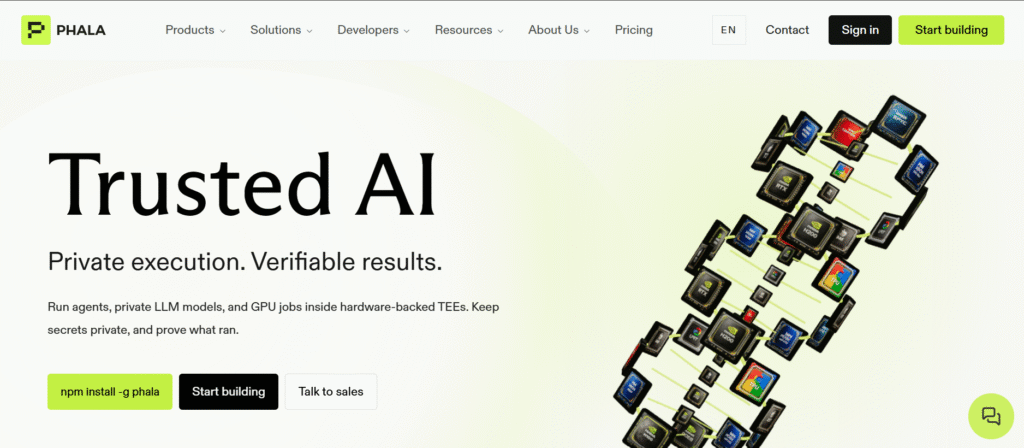
Most blockchain applications are transparent by default, which isn’t always ideal when sensitive information is involved. Phala Network focuses on confidential computing, allowing developers to process data privately through Trusted Execution Environments (TEEs). This makes it particularly useful for AI applications, enterprise software, and privacy-focused Web3 services.
9. Manta Network
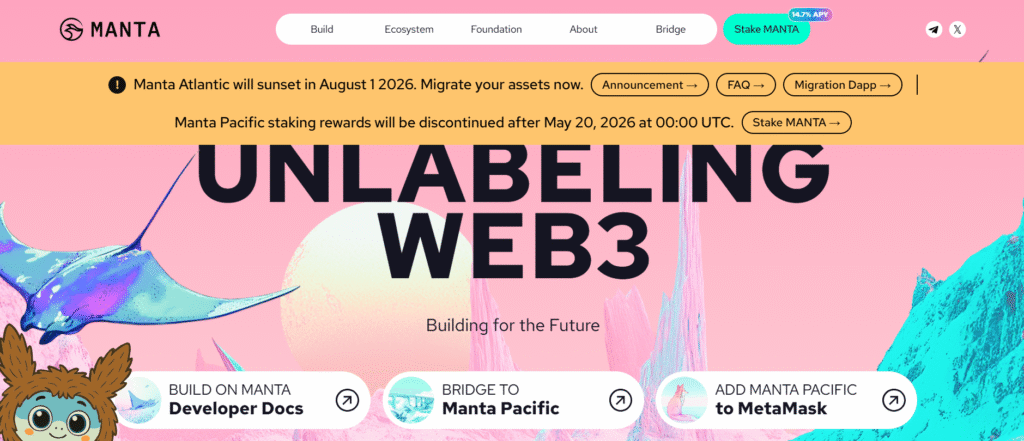
Privacy remains a major focus across the crypto industry, and Manta Network is one of the leading projects addressing it. The platform uses zero-knowledge technology to help users and developers protect sensitive information without sacrificing security. As demand for privacy-preserving Web3 applications continues to grow, Manta has become one of the most closely watched projects in the Polkadot ecosystem.
What Risks Should You Know Before Using Polkadot dApps?
Polkadot dApps can give users access to staking rewards, DeFi opportunities, and innovative Web3 services, but they still come with risks. Before using any protocol, it’s important to understand how those risks could affect your funds.
What Are the Smart Contract Risks of Using Polkadot dApps?
Most Polkadot dApps rely on smart contracts to handle transactions, staking, lending, and other activities. If a smart contract contains a bug or security flaw, attackers may be able to exploit it and steal funds. While security audits can reduce risk, they can’t guarantee that a protocol is completely safe.
What Are the Parachain and Liquidity Risks?
Polkadot’s shared security model helps protect the network, but individual parachain projects can still face technical issues, governance problems, or a decline in user adoption. Liquidity can also vary from one protocol to another. If liquidity is low, users may face larger price swings and have a harder time entering or exiting positions.
What Are the Cross-Chain and Regulatory Risks?
Many Polkadot ecosystem apps interact with other blockchains. While cross-chain bridges make this possible, they have historically been one of the most common targets for exploits in crypto. Regulations are another factor to consider, as rules around DeFi, staking, and digital assets continue to change in many regions.
How Can You Stay Safer When Using Polkadot dApps?
The best way to reduce risk is to do a little research before depositing funds. Check whether a project has been audited, look at its TVL and user activity, verify you’re using official links, and make sure you understand how the protocol works. Spending a few extra minutes researching a project can help you avoid costly mistakes later.
Frequently Asked Questions
Do I Need a Special Wallet to Use Polkadot dApps?
Yes. You’ll need a wallet that supports the Polkadot ecosystem, such as Talisman, SubWallet, or Nova Wallet. Most Polkadot dApps connect directly to these wallets, allowing you to manage assets, stake tokens, and interact with applications securely.
Can I Use Multiple Polkadot dApps With the Same Wallet?
Yes. Most Polkadot dApps support popular wallets such as Talisman, SubWallet, and Nova Wallet. Once connected, the same wallet can be used across DeFi platforms, staking protocols, NFT applications, and other ecosystem tools without creating separate accounts for each service.
Are Polkadot dApps Only for DeFi?
No. While DeFi is a major part of the ecosystem, Polkadot also supports decentralized identity, privacy-focused applications, real-world asset tokenization, infrastructure tools, gaming projects, and enterprise solutions. This variety is one reason the Polkadot ecosystem continues to attract both users and developers.